
Digital Logbook: Enhancing Education and Career Outcomes
Introduction to Digital Logbook
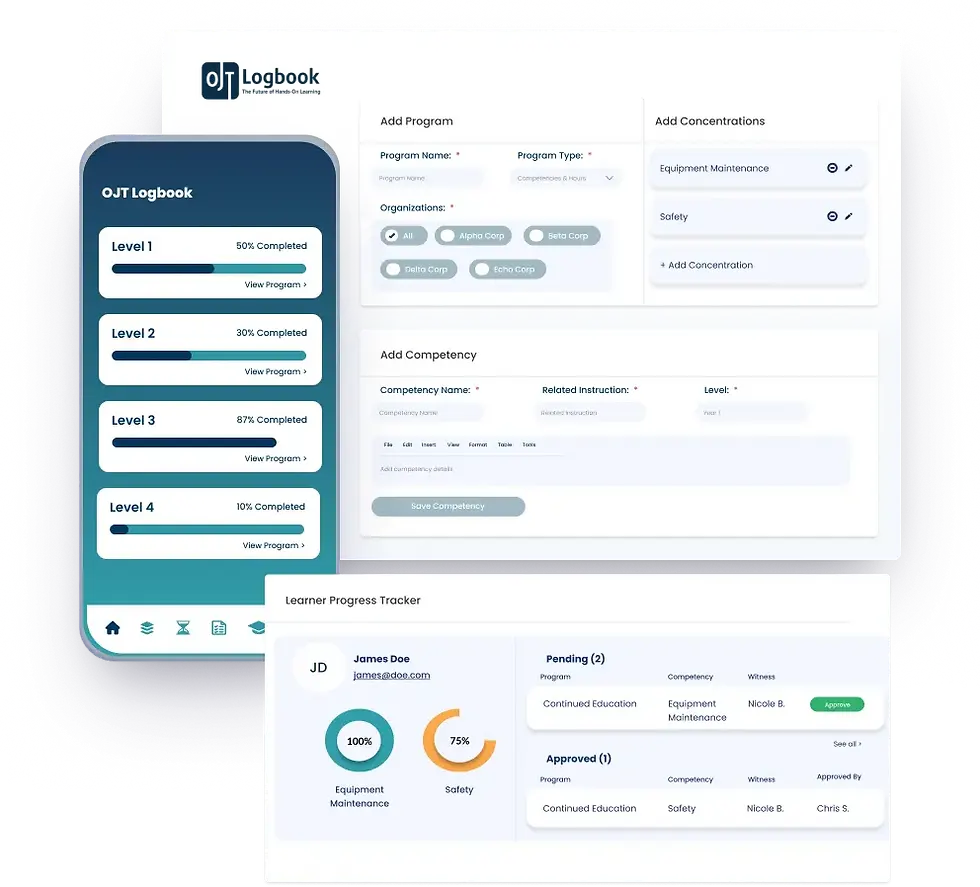
In today’s rapidly evolving world, the digital logbook has emerged as a vital tool in education and professional development. A digital logbook serves as an organized, secure platform where students and professionals can record their learning experiences, track competencies, and document their progress throughout a program or apprenticeship. Unlike traditional written logs, digital logbooks offer enhanced security, ease of access, and the ability to manage data efficiently, making them indispensable for individuals pursuing careers in various industries, including healthcare, business, and technology. In this article, we will discuss the key benefits and uses of digital logbooks in education and professional development.
Digital logbooks help users understand their progress and the requirements of their chosen field, supporting a deeper understanding of industry standards and personal growth.

Importance of Digital Logbooks in Education
Digital logbooks play a crucial role in education by providing a structured way for students to identify and develop the knowledge and skills required to meet program outcomes. They enable learners to maintain a detailed record of their activities, assignments, and reflections, which helps in understanding their growth over time. Educational institutions and colleges benefit from digital logbooks as these tools facilitate the review and assessment process, ensuring that students meet the necessary competencies before completing their programs. Moreover, digital logbooks offer guidance for both students and educators by providing clear documentation that supports the learning process and enhances productivity.
Benefits for Students and Professionals
For students and professionals alike, the benefits of using a digital logbook are substantial. Individuals can track their progress in real-time, allowing them to identify areas that need improvement and focus their efforts accordingly. This process not only enhances their ability to learn but also prepares them for successful careers by equipping them with relevant skills and knowledge. In healthcare and other industries, maintaining a digital logbook helps professionals document patient interactions, treatments, and other critical data securely, ensuring the integrity of records and protecting sensitive health information in accordance with regulatory requirements. Digital logbooks also ensure compliance with industry standards, and often include a comments section in compliance verification forms, allowing users to provide additional information or note outstanding requirements. Additionally, digital logbooks streamline communication between stakeholders such as educators, employers, and organizations, fostering collaboration and transparency.
Role in Career Development and Job Search
A well-maintained digital logbook can significantly impact career opportunities by showcasing an individual’s competencies and program outcomes to potential employers. When pursuing a job or apprenticeship, professionals can present their digital logbooks as evidence of their skills, completed tasks, and certificates, thereby enhancing their credibility. Digital logbooks also help individuals take advantage of new career opportunities and gain practical work experience through apprenticeships and training programs. Employers value this detailed documentation as it reduces conflict during the hiring process and ensures that candidates meet the specific requirements of the workplace. With the right documentation, individuals can start earning from day one and transition into their careers in just a few years, rather than following traditional, longer educational paths. Furthermore, organizations benefit from employees who use digital logbooks because these tools improve efficiency and productivity by providing easy access to important documents and data related to their roles.
Choosing a Career Path with Digital Logbooks
Selecting the right career path is a significant decision, and digital logbooks can be a valuable resource in this process. By systematically tracking their knowledge, skills, and experiences, students and professionals can clearly identify their competencies and areas for growth. This self-awareness enables individuals to explore a variety of career opportunities and make informed choices about their future. For those considering jobs in healthcare, digital logbooks are especially useful for tracking patient care activities and ensuring that professionals meet the required standards of practice. Employers also benefit from digital logbooks, as they provide a reliable means to assess the competencies of potential candidates, making it easier to find individuals who are well-suited for specific roles. Ultimately, digital logbooks support both individuals and organizations in taking the next step toward successful careers by ensuring that the right knowledge and skills are in place.
Program Evaluation and Measuring Impact
Evaluating the effectiveness of educational and training programs is essential for continuous improvement and achieving desired outcomes. Digital logbooks offer a powerful means to track student progress, collect data, and gather feedback from all stakeholders involved, including students, employers, and educators. By analyzing this information, program administrators can identify strengths and areas needing enhancement, ensuring that the program aligns with the needs of both learners and the workforce. In the education sector, this data-driven approach helps guarantee that students are acquiring the necessary competencies, while employers can be confident that graduates are prepared for the demands of the job market. Digital logbooks thus play a crucial role in every step of program evaluation, supporting informed decision-making and maximizing the impact of educational initiatives.

Best Practices for Using a Digital Logbook
To fully realize the benefits of a digital logbook, it’s important to follow best practices that enhance usability, security, and effectiveness. Start by ensuring the digital logbook is easy to navigate, with clear instructions and intuitive guidance for users at every step. Protecting user data is equally critical—organizations should implement robust security measures, such as encryption and secure servers, to maintain the integrity and confidentiality of information. Regularly tracking progress and providing timely feedback helps individuals identify areas for improvement and develop the knowledge and skills needed to excel in the workplace. Employers and organizations can use digital logbooks to monitor employee development, ensure that staff meet competency requirements, and deliver high-quality services to customers. By adopting these best practices, both individuals and businesses can make the most of digital logbooks, supporting effective learning, professional growth, and organizational success.
Implementation Across Industries and Workplaces
The adoption of digital logbooks can vary significantly across industries and regions but is particularly prominent in sectors like healthcare, education, and business. Healthcare professionals use digital logbooks to manage patient information and treatment records securely, which is critical for maintaining high standards of care. Regulatory departments, such as the Department of Health and Human Services, oversee compliance and enforcement in sectors like healthcare. In educational departments, digital logbooks support the continuous assessment of students and help colleges meet accreditation requirements. Businesses and companies utilize digital logbooks to verify compliance, maintain industry standards, track employee training, manage projects, and enhance overall workplace efficiency. Careful planning is essential when implementing digital logbooks across different industries to ensure effective integration and compliance with relevant regulations.
By integrating digital logbooks into their processes, organizations can better meet the needs of their customers and maintain a competitive edge in the global market. Digital logbooks help verify the compliance of both companies and individuals. Digital logbooks also help organizations stay compliant with evolving regulations over time.

Conclusion: Embracing the Digital Logbook for Future Success
In conclusion, the digital logbook is a powerful tool that supports learning, development, and career advancement across various fields. It offers numerous benefits, including improved security, detailed tracking of competencies, and enhanced communication among stakeholders. As more individuals and organizations recognize the value of digital logbooks, their use will continue to grow, helping professionals and students alike to complete programs successfully, develop essential skills, and pursue rewarding careers. Embracing digital logbooks is not just about managing data; it’s about fostering a culture of continuous improvement and excellence in education and the workplace.
Start your digital logbook journey today—click here for more information or to begin using a digital logbook.


Comments