
Digital Logbooks: Revolutionizing Tracking and Development in Skilled Trades and Aviation
Digital logbooks have emerged as a key tool in modern industries, transforming how workers, apprentices, pilots, and organizations track progress, develop skills, and achieve career success. Whether in skilled trades, aviation, or registered apprenticeship programs, digital logbooks offer efficient, real-time access to vital data that benefits employees, employers, and program administrators alike. This article explores the many advantages of digital logbooks, their applications, and why they are essential in today’s fast-evolving labor market.

The Importance of Digital Logbooks in Skilled Trades and Aviation
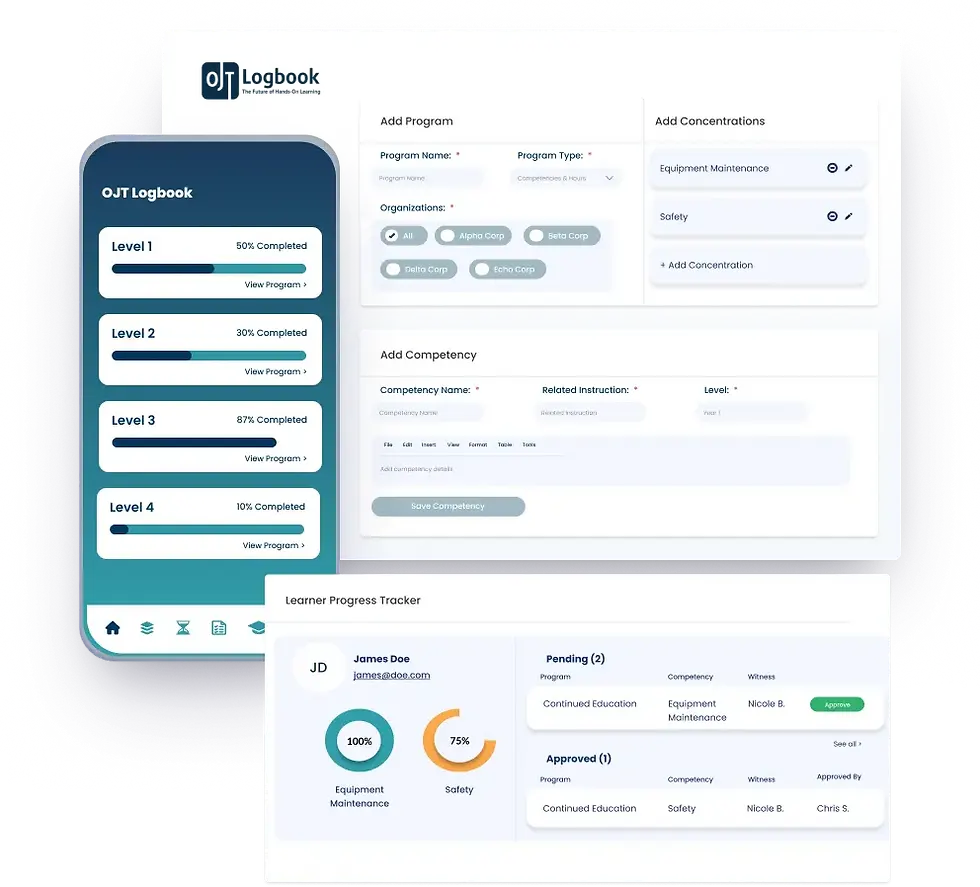
Digital logbooks serve as a modern replacement for traditional paper logbooks, providing an efficient and reliable way to track tasks, training, and performance. In skilled trades, they enable apprentices and workers to log their classroom instruction, on-the-job training, and practical experience systematically. This comprehensive record helps apprentices demonstrate their skills and progress to employers and mentors, ensuring they meet industry standards and prepare for new jobs.
For pilots, a digital pilot logbook is indispensable for maintaining accurate flight records. Pilots can easily log flight hours, track certifications, and comply with aviation rules, all while generating reports that simplify evaluations and audits. The ability to access this data in real time enhances safety and regulatory compliance, making digital logbooks a vital tool for both individual pilots and aviation organizations.
Benefits of Digital Logbooks for Apprentices and Program Administrators
One of the primary benefits of digital logbooks in registered apprenticeship programs is their ability to streamline data collection and analysis. Program administrators can track apprentices’ progress efficiently, identify gaps in skills or training, and create targeted interventions to support career development. These tools also enable apprentices to save time and reduce errors by automating log entries and report generation.
Moreover, digital logbooks empower apprentices to take ownership of their learning journey. By providing easy access to their training records and evaluations, apprentices can better understand their strengths and areas for improvement. This transparency fosters a culture of continuous learning and motivates workers to complete their programs successfully.
How Digital Logbooks Enhance Business and Industry Performance
For businesses and industry organizations, digital logbooks offer a cost-effective solution to manage labor and workforce development. Companies can use these tools to analyze employee performance data, identify skill shortages, and plan training programs that align with current and future demand. This proactive approach helps organizations stay competitive by ensuring their teams have the right skills to meet evolving industry needs.
Additionally, digital logbooks facilitate better communication between employers, apprentices, mentors, and educators. By creating a centralized platform for logging and sharing information, businesses can improve coordination and support for workers’ career growth. This integration ultimately leads to higher employee satisfaction, better retention rates, and a more skilled workforce ready to tackle new challenges.
Implementing Digital Logbooks: Key Considerations and Best Practices
When adopting digital logbooks, organizations should consider the specific needs of their industry, job roles, and training programs. The features and capabilities of digital logbook tools can vary depending on the type of work and the complexity of the tasks being tracked. Selecting a solution that offers customizable options, real-time data access, and robust reporting capabilities is crucial for maximizing benefits.
Training and support are also essential to ensure successful implementation. Employees, apprentices, and program administrators must be taught how to use digital logbooks effectively to log tasks accurately and generate meaningful reports. Providing ongoing mentorship and education helps users develop the necessary knowledge and skills to leverage these tools fully.
The Future of Career Development with Digital Logbooks
As labor markets continue to evolve, digital logbooks will play an increasingly important role in career preparation and workforce development. By enabling workers to document their skills and training comprehensively, these tools help career seekers demonstrate their qualifications to potential employers and secure new jobs.
Furthermore, digital logbooks support organizations in creating data-driven strategies to develop their workforce, improve education programs, and meet industry demands. With the right tools and focus, businesses and educational institutions can work together to prepare a skilled labor force equipped for success in a dynamic economy.
In conclusion, digital logbooks are more than just electronic records—they are powerful tools that enhance training, track progress, and support career growth across skilled trades, aviation, and beyond. Embracing digital logbooks allows workers, apprentices, pilots, and organizations to save time, reduce costs, and achieve greater efficiency while fostering a culture of continuous learning and development. Whether you are an apprentice looking to complete your program or a company aiming to develop your team’s capabilities, digital logbooks provide the key to unlocking career and business success.


Comments