
Digital Logbook: Revolutionizing On the Job Training and Workforce Management
In today's fast-paced business environment, a digital logbook has become an essential tool for tracking employee progress, managing training opportunities, and ensuring compliance with industry standards. Unlike traditional paper logbooks, digital logbooks offer enhanced capabilities that streamline the process of logging work hours, skills, and competencies in real time. This article explores the benefits of electronic logbooks, their role in on the job training, and how they support both employers and employees in building a skilled and efficient workforce.

Advantages of Digital Logbooks Over Paper Logbooks
Switching from a paper logbook to a digital logbook provides numerous benefits for businesses and employees alike. While paper logbooks have historically been used to record work activities and training, they often come with limitations such as the risk of loss, difficulty in updating entries, and challenges in generating reports. Digital logbooks, on the other hand, enable users to access their records anytime and anywhere, ensuring that data is always up to date and secure.
For example, in the aviation industry, pilot logbooks have traditionally been maintained on paper, but the adoption of digital solutions like the Foreflight logbook app allows pilots and flight instructors to track flight time, currency, and training progress more efficiently. This transition not only reduces administrative costs but also minimizes mistakes that can occur during manual data entry. The ability to import and export data seamlessly between platforms such as Google Sheets further enhances the utility of electronic logbooks.
Enhancing On the Job Training and Employee Retention
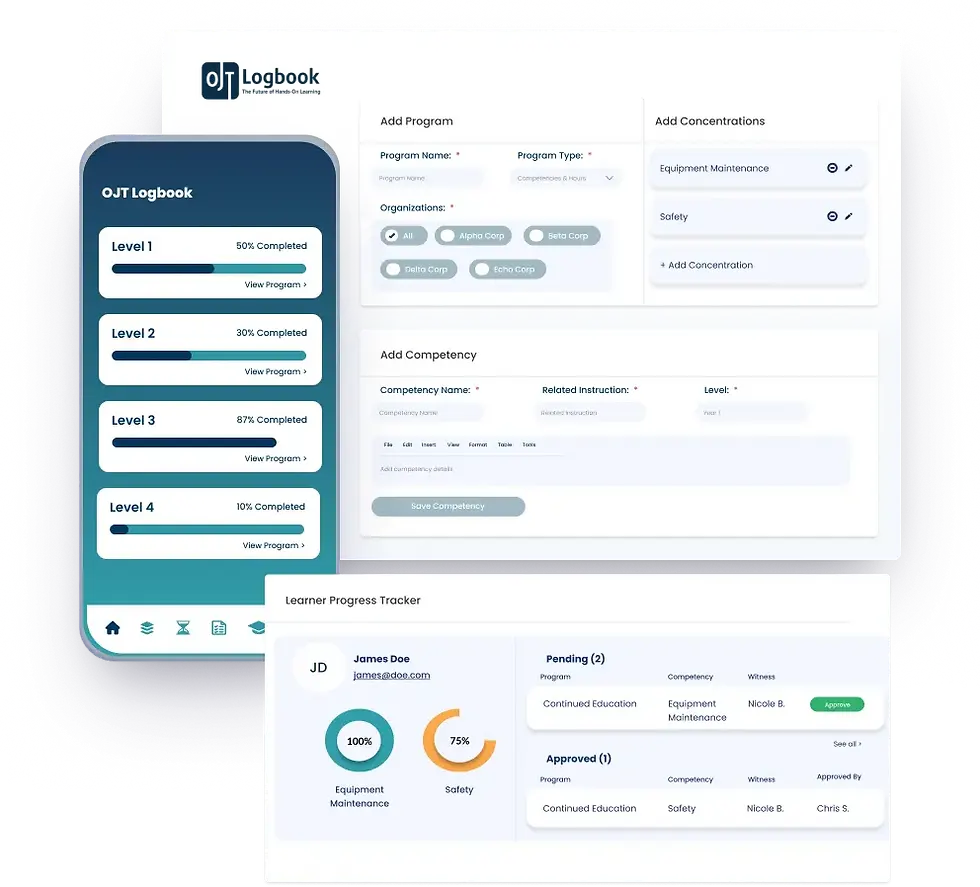
A critical aspect of workforce development is on the job training, which helps employees acquire new skills and competencies necessary for their roles. Digital logbooks serve as a structured record of training programs, courses completed, and progress made, enabling both employers and workers to monitor development over time. This transparency fosters a culture of lifelong learning and continuous improvement within the company.
Moreover, businesses that utilize electronic logbooks can better support employee retention by providing clear pathways for career advancement. When workers see that their training and skills development are being tracked and valued, they are more likely to remain engaged and committed to the company. Additionally, employers can use digital logbook data to identify skill gaps, tailor training programs, and make informed decisions about workforce planning and recruiting.
Integration with Public Workforce Systems and Business Operations
Digital logbooks are increasingly being integrated with public workforce systems, allowing employers to access services and support that facilitate workforce development. This integration helps companies comply with regulatory requirements, apply for training reimbursements, and participate in community education initiatives. By connecting digital logbooks with broader workforce programs, businesses can maximize the benefits of their training investments.
From a business perspective, the use of digital logbook software streamlines the entire training and record-keeping process. Employers can generate comprehensive reports that present employee competencies, training completion rates, and currency tracking in real time. This data-driven approach improves decision-making and enhances operational efficiency. Furthermore, digital logbooks reduce costs associated with printing, filing, and manual data management, making them a cost-effective solution for companies of all sizes.
Features and Capabilities of Modern Digital Logbook Providers
Leading logbook providers offer a range of features designed to meet the diverse needs of various industries. These include user-friendly apps that allow employees to log hours and training activities on the go, secure cloud storage for data protection, and customizable templates that suit different job roles and programs. Some platforms also offer integration with other business software, enabling seamless data import and export.
For flight instructors and pilots, specific features such as flight time tracking, currency monitoring, and compliance with aviation regulations are essential. Digital logbooks like the Foreflight logbook app provide these capabilities, along with tools to print or share records with customers, employers, or regulatory bodies. The ability to quickly generate accurate reports supports reimbursement claims and audit processes, reducing administrative burden.
Looking Ahead: The Future of Digital Logbooks in Workforce Development
As technology continues to evolve, the role of digital logbooks in workforce management and training is set to expand. Future developments may include enhanced analytics to predict training needs, AI-driven recommendations for skill development, and greater integration with education and job placement services. Employers will be better equipped to focus on recruiting the right talent, supporting employee growth, and maintaining a competitive edge in their industries.
In conclusion, adopting a digital logbook is a strategic move for any business aiming to improve training efficiency, employee retention, and operational effectiveness. By leveraging the benefits of electronic logbooks, companies can create a more structured and transparent process for tracking skills, progress, and competencies, ultimately supporting a stronger and more capable workforce.


Comments