
OJT Logbook: A Key Tool for Successful Career Development
Introduction to OJT Logbook
An OJT logbook is an essential document used during on the job training to record daily activities, tasks, and learning experiences. It serves as a practical tool for students and employees to track their progress and demonstrate the skills they acquire throughout their apprenticeship program or training period. Maintaining an accurate and detailed OJT logbook is crucial for career readiness, as it helps individuals reflect on their development and prepare for the workforce by showcasing their competencies and knowledge.

Importance of On the Job Training
On the job training plays a vital role in preparing students and employees for real-world work environments. It bridges the gap between theoretical education and practical application, allowing trainees to develop the necessary skills required by various industries and businesses. Through hands-on experience, individuals gain a deeper understanding of specific tasks and the quality standards expected in their chosen careers. This practical exposure not only enhances proficiency but also increases the ability to perform effectively and maintain safety and work health regulations.
How an OJT Logbook Supports Career Readiness
An OJT logbook supports career readiness by providing a structured process for documenting lessons learned, tasks performed, and competencies gained. It encourages active listening and critical thinking, which are essential for identifying areas of improvement and understanding workplace expectations. By regularly updating the logbook, trainees can assess their progress against industry standards and identify potential risks or challenges encountered during training. This ongoing assessment enables educators and employers to offer targeted support and resources, helping students develop the skills and positive attitude necessary for success in their careers.
Components of an Effective OJT Logbook
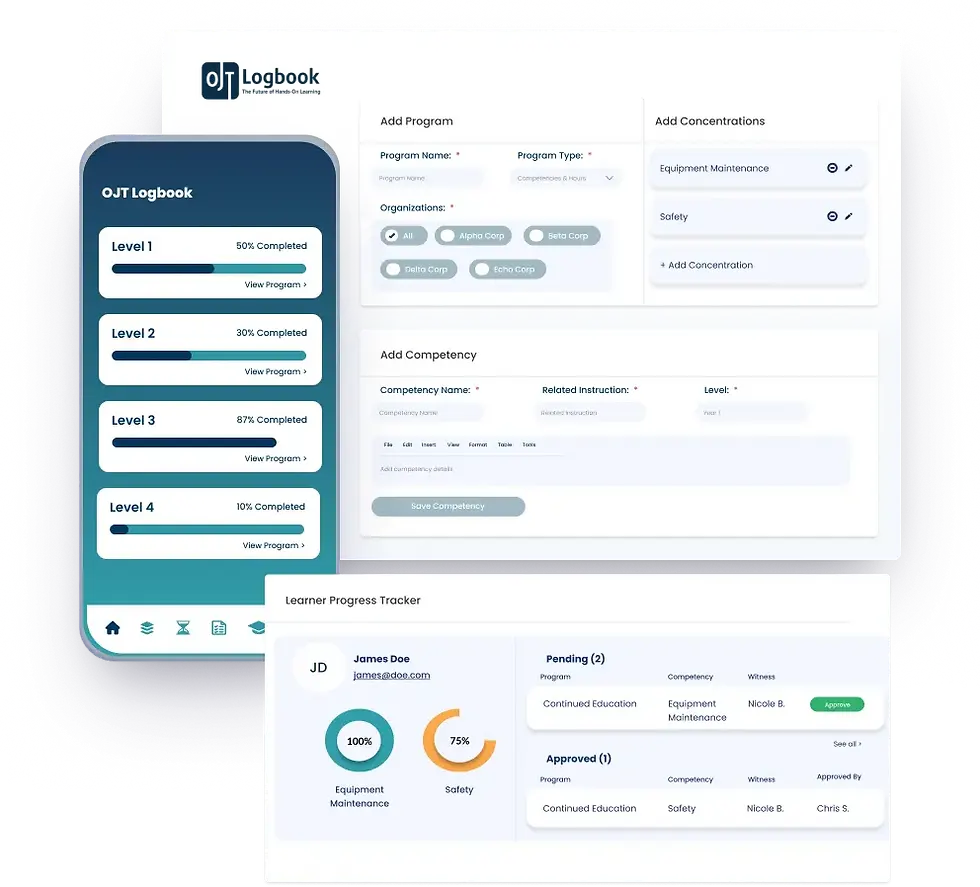
A well-organized OJT logbook typically includes sections for pre assessment, daily entries, and final evaluation. The pre assessment helps identify the trainee's existing qualifications and skills required before starting the program. Daily entries should detail specific tasks performed, lessons learned, and reflections on work environments and cultural differences encountered. The final evaluation summarizes the trainee’s ability to meet the quality and safety standards of the industry. Including extracurricular activities related to the job can further demonstrate a trainee’s commitment and interest in their professional development.

Benefits of Using an OJT Logbook
Using an OJT logbook offers numerous benefits for both trainees and employers. For students and employees, it fosters discipline and accountability, ensuring they remain engaged and motivated throughout the training. The logbook also serves as evidence of skills acquired and competencies developed, which can be valuable when pursuing further education or employment opportunities. Employers benefit from having a clear audit trail of the training process, making it easier to assess the proficiency and readiness of new hires. Additionally, maintaining a detailed logbook helps organizations uphold quality standards and comply with industry regulations.
Tips for Maintaining a Successful OJT Logbook
To maximize the effectiveness of an OJT logbook, trainees should maintain consistency by updating entries daily and providing detailed descriptions of tasks and skills practiced. It is important to use clear and professional language, focusing on the ability to perform specific duties and meet job expectations. Trainees should also seek feedback from supervisors and incorporate suggestions to improve their performance. Understanding the unique needs of the workplace and adapting to different work environments will further enhance the learning experience. Lastly, recognizing the importance of safety and work health throughout the training process ensures a comprehensive and successful apprenticeship.
Conclusion
In conclusion, an OJT logbook is a key resource for students and employees pursuing a successful career through on the job training. It not only documents the development of necessary competencies and knowledge but also prepares individuals to meet the demands of various industries and trades. By maintaining an organized and detailed logbook, trainees can demonstrate their skills, adhere to quality and safety standards, and ultimately enhance their career readiness. Embracing the process of keeping an OJT logbook reflects a positive attitude toward learning and professional growth, which is invaluable in today’s competitive workforce.


Comments